THE PATHWAY
Here are some steps involved in the University Pathway.
Complete three or four-year study
Vacation work (from second year onwards)
Get paid to put what you're learning into practice
Secure a graduate program (1-2 years)
Want more?
Explore postgraduate study, specialist roles, or leadership pathways that will help you get ahead.
Mining Engineering (Postgrad) – master advanced technical skills
Geoscience & Exploration – uncover and study mineral resources
Environmental & Sustainability – shape responsible mining practices
Health & Safety – keep workplaces safe and compliant
Project Management – drive mining projects from start to finish
Leadership / MBA – step into management and strategic roles
Honours / PhD – innovate and push the boundaries of mining
VACATION WORK
Mining stands out for its paid work opportunities while you’re still studying. Vacation work is widely available and provides real, hands-on experience.
Scholarships
Don’t let money hold you back! Universities offer a range of scholarships to financially support you while you study.
A full list of the University jobs
University Degree
Geotechnical Engineer
Geotechnical Engineers investigate what’s happening deep inside the earth.
• HIGH DEMAND
Learn about the role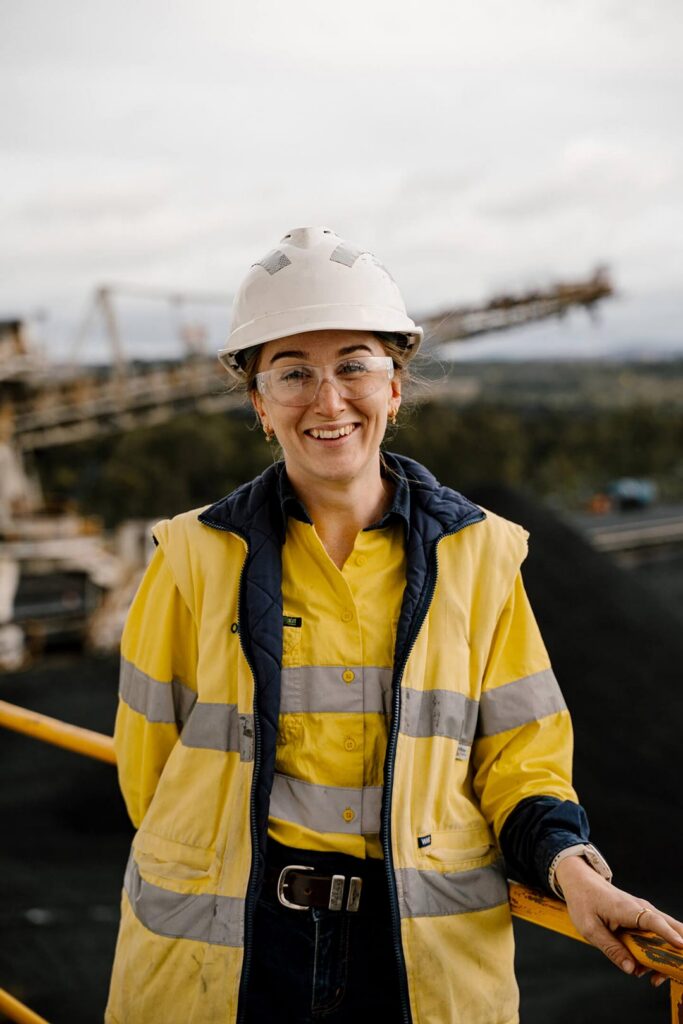
University Degree
Mine Surveyor
Mine Surveyors are the precision experts of the site. Using GPS, lasers and digital mapping tools, they measure the land and track exactly where mining happens.
• HIGH DEMAND
Learn about the role
University Degree
Mining Engineer
Mining Engineers are the strategists behind every mine. They design how minerals are safely extracted, plan pits and tunnels, and guide how operations run day to day.
• HIGH DEMAND
Learn about the role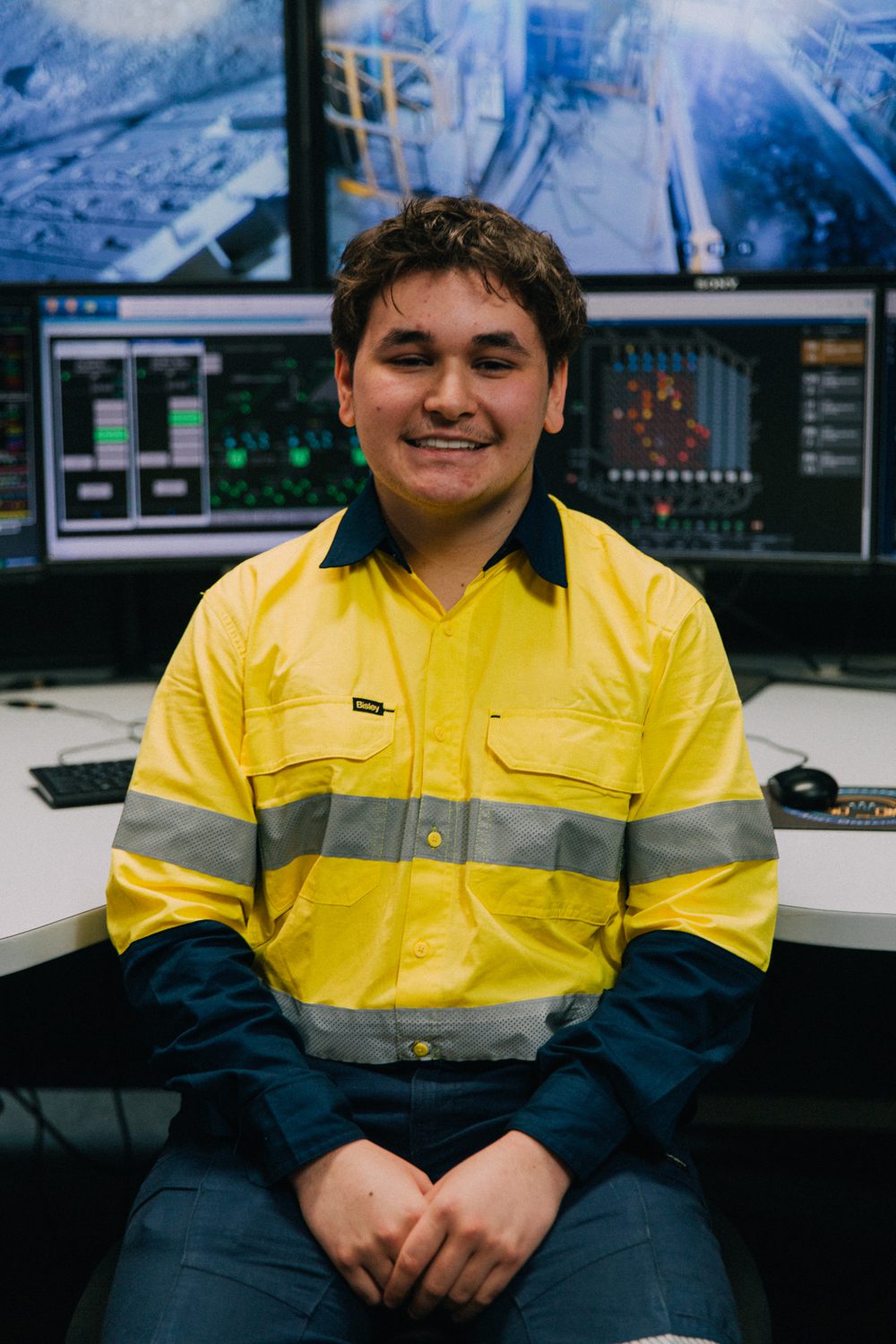
Got a question?
University degrees do have fees, but most students don’t pay upfront. With HECS-HELP, your fees are deferred and you only start repaying once you earn above the government income threshold. The exciting part? Scholarships and cadetships can make a big difference. Many mining and resources scholarships offer $2,000 to $20,000 per year, helping cover study costs and living expenses. Some even include paid work experience.
You get the skills, knowledge and qualifications needed to start a professional career in mining. And then you can work wherever you want, all over NSW or all over the world. Wherever you want to go, your technical skills and experience will be highly sought after.
No, there are a lot of roles where you don’t need to go to uni. You can start your adventure through apprenticeships, traineeships or entry-level roles where the main test is the type of person you are and whether you’re prepared to have a go. A degree is needed for some professional positions, but you can definitely start a career in mining without one.
Graduate programs are paid, entry-level roles for students who have recently finished their degree. It’s a great way to get started, running for 1 – 2 years and include structured training, mentoring and on-the-job experience.
Yes! Many mining companies, universities, TAFEs and industry bodies offer scholarships, cadetships and financial support to students studying mining related fields. The exciting part? Scholarships and cadetships can make a big difference. Many mining and resources scholarships offer $2,000 to $20,000 per year, helping cover study costs and living expenses. Some even include paid work experience.