Questions about the mining industry
Safety is the top priority in mining, where the culture is about getting the job done safely even if it means stopping to work through problems together. There are lots of procedures and practices with training to help you adapt to the things that will keep you safe. Everyone is expected to work within strong safety, environmental and ethical frameworks.
There are waaaay more jobs in mining that most people realise. Everything from engineering, environmental science, trades like electricians and boilermakers, surveying and drone pilots, data analytics, health and safety, finance, communications, mechanics and management. Check out the Adventure Finder Tool to help find out what your adventure in mining might look like.
Helpful subjects for a career in mining include mathematics, physics, chemistry, geography, earth science, design & technology, and digital technologies. But you definitely don’t have to study all of them. We need people who can read and write, have good problem-solving skills and are prepared to have a go.
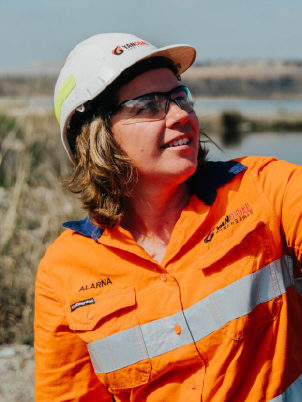
Women work across every part of the mining industry, in both operational and professional roles. From trades, engineering and operations to science, technology, environment, finance, leadership and community roles, opportunities are based on skills and interests, not gender. The industry continues to grow an inclusive workforce, with many employers actively supporting diversity, flexible work arrangements and family-friendly policies. As a result, more women than ever are building rewarding, long-term careers in mining, supported by workplaces that value different experiences, perspectives and pathways.
Mining offers long term career opportunities. The industry needs skilled workers across all career stages, from entry level roles to experienced professionals and leaders. There are always opportunities to up skill, change roles and progress into leadership. The skills gained in mining are also highly transferable to other industries.
You bet! Mining is essential for supplying the materials we all need for infrastructure, manufacturing, technology and the energy transition. That includes mines here in NSW. You can’t make steel without coal and coal will be needed for energy security for many years to come while the world build enough renewables and other energy sources. Plus our metals mines like copper, gold, silver and zinc are needed for so much modern health and lifestyle tech you use every day like your phone, watch, TV, smart speaker, hybrid and electric cars, music and video streaming services and more.
Mining supports jobs, regional communities, infrastructure and everyday products. Our resources provide power, help build renewables, make phones and TVs, the chips needed for computers and AI, electric cars and so much more. Like so many things humans do, there is an impact on the environment, but it’s our job as experts to minimise it and restore the land afterwards.
The number of people in mining jobs in NSW is at a record high. AI and automation are creating new roles in data, technology, maintenance and systems management, while improving safety and efficiency. Human skills like problem solving, leadership and technical expertise will always remain essential, especially in mining.
Questions about job locations
Mining jobs in NSW are in some awesome regional towns where you can live and work. Like the Hunter Valley, Tamworth, Wollongong, Mudgee, Orange and Parkes, as well as city-based offices in Sydney and Newcastle. Check out the lifestyle page for more info on what it’s like to live and work in mining regions in NSW.
Most people who work in mining in NSW live locally near where they work. FIFO (fly-in fly-out) does exist, but it’s very rare in NSW and something you might see more in other states where the mines are a long way from established communities. Office-based and hybrid roles are also common in NSW.
We mine a whole lot of different things that are needed for every day life. NSW produces resources such as coal, metals and industrial minerals that are used for electricity generation, steelmaking, construction, manufacturing and technology, for things made here at home and overseas.
Questions about getting a degree
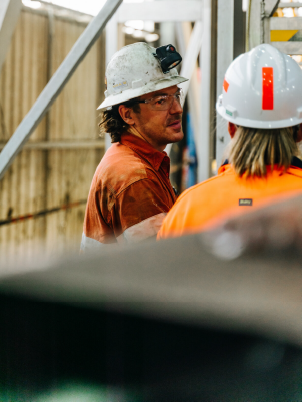
University degrees do have fees, but most students don’t pay upfront. With HECS-HELP, your fees are deferred and you only start repaying once you earn above the government income threshold. The exciting part? Scholarships and cadetships can make a big difference. Many mining and resources scholarships offer $2,000 to $20,000 per year, helping cover study costs and living expenses. Some even include paid work experience.
You get the skills, knowledge and qualifications needed to start a professional career in mining. And then you can work wherever you want, all over NSW or all over the world. Wherever you want to go, your technical skills and experience will be highly sought after.
No, there are a lot of roles where you don’t need to go to uni. You can start your adventure through apprenticeships, traineeships or entry-level roles where the main test is they type of person you are and whether you’re prepared to have a go. A degree is needed for some professional positions, but you can definitely start a career in mining without one.
Graduate programs are paid, entry-level roles for students who have recently finished their degree. It’s a great way to get started, running for 1 – 2 years and include structured training, mentoring and on-the-job experience.
Yes! Many mining companies, universities, TAFEs and industry bodies offer scholarships, cadetships and financial support to students studying mining related fields. The exciting part? Scholarships and cadetships can make a big difference. Many mining and resources scholarships offer $2,000 to $20,000 per year, helping cover study costs and living expenses. Some even include paid work experience.
Questions about getting a trade
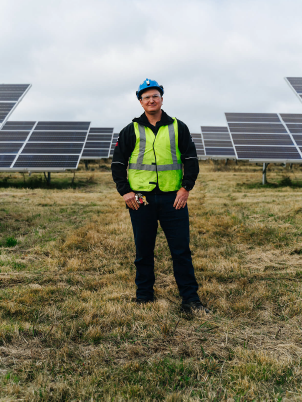
Most apprenticeships are fee free in NSW. Training fees are often subsidised, and many employers cover any extra course costs. Importantly, you get paid while you learn as an apprentice earning a wage from day one on the job — how cool!
It’s a great way to start you adventure because you get a nationally recognised trade qualification, hands-on experience, industry skills, and strong job security. Apprenticeships often lead to long-term employment and offer pathways into more senior jobs with better pay like supervisors and specialist technical roles.
You can try to get hands-on trade experience by applying for school-based apprenticeships, pre-apprenticeship courses, work experience placements, or entry-level labouring roles with mining contractors and service companies. (Include link to mining company career pages?)

Questions about working in mining
Wages in the mining industry are among the highest in the country. It does depend on the role, qualifications, location and your experience. But generally you can expect a really competitive salary and the opportunity to earn more as you develop your career and move into more senior jobs.
You can apply for jobs directly through mining company websites, apprenticeship and traineeship providers, universities, TAFEs, or job platforms. Many students start by getting work experience, going to careers events, or applying for apprenticeship or graduate programs. (Include link to mining company career pages?)
Mines in NSW are in regional areas that are really accessible. No fly-in fly-out here. Most people live in the town closest to their work site. You will need a driver’s licence and generally speaking your own transport to get to work.
Working hours in the mining industry can be flexible and vary depending on the role. Many operational roles, such as trades and equipment operators, work on rosters that may include shift work, early starts, nights or weekends. Professional and office-based roles are more likely to follow standard business hours. Across the industry, employers recognise the importance of work–life balance and typically offer structured rosters, planned time off and access to leave arrangements. Many roles provide options such as flexible start and finish times, rostered days off, annual leave, parental leave and other leave entitlements, helping people balance work, family and lifestyle commitments.
There are so many great ways to get experience in the industry. You could attend our Info Nights, go on a mine tour, complete school work placements or vacation programs, do an apprenticeship, internship, or cadetship, or work in a part-time role with contractors and suppliers.